October 14, 2026
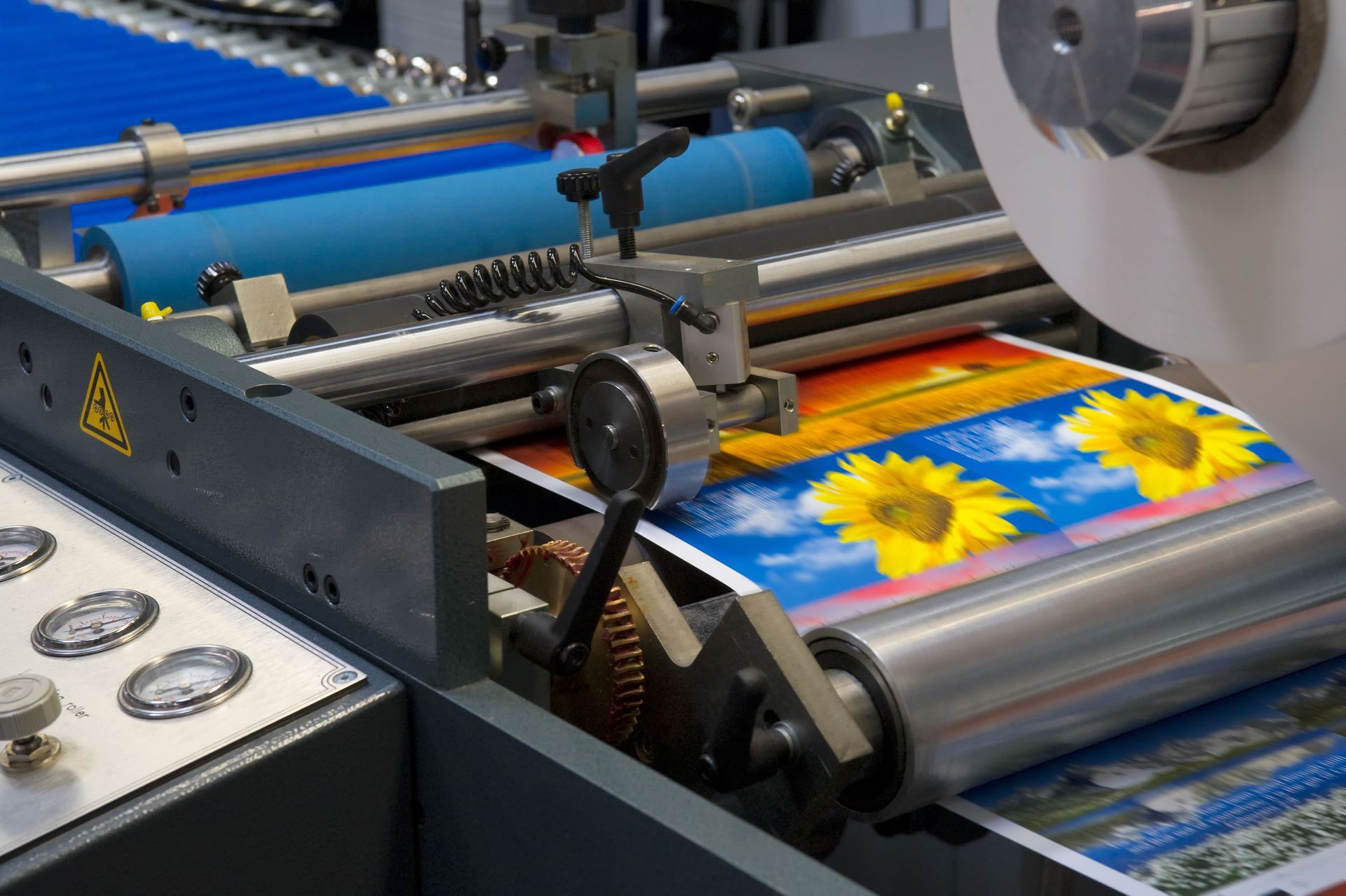
Physical materials remain a pillar of modern advertising strategies. Companies allocate massive sums to campaigns spanning digital and physical realms. Finding an optimal balance ensures marketing dollars generate robust returns. Tangible assets create lasting impressions on consumers. Businesses leverage physical media to establish authoritative brand presence. Strategic budget allocation requires careful analysis of asset performance. Investing in commercial printing provides brands with a tactile advantage over competitors.
Maximizing returns requires meticulous planning. Marketing departments must analyze target demographics to determine effective asset types. Brochures, direct mailers, and banners serve distinct purposes within broader campaigns. By selecting appropriate formats, organizations eliminate wasted expenditure. Cost efficiency stems from smart design choices and bulk production methods. Executed with precision, commercial printing elevates brand messaging without exhausting financial resources. Corporations achieve superior engagement rates when physical items complement digital efforts. A cohesive strategy guarantees maximum impact across all consumer touchpoints.
Selecting Materials for Maximum Impact
Material selection dictates the perceived value of marketing collateral. Thick paper stocks convey luxury and permanence. Matte options offer an elegant, understated aesthetic. Organizations must align material choices with overarching brand identities. High-end brands demand premium textures to reflect quality. According to IBISWorld, the printing industry market reached $74.9 billion in 2026. This valuation underscores the massive scale of physical marketing production.
Texture influences consumer psychology. Tactile engagement fosters strong emotional connections. Consumers remember textured items better than flat equivalents. Embossing and foil stamping add distinctive sensory elements. These techniques command attention and differentiate collateral from standard mailers. Marketers use sensory engagement to increase response rates. Investment in unique finishes translates into enhanced brand recall. Careful consideration of texture ensures physical items resonate with target audiences.
Sustainability shapes material sourcing trends. Eco-conscious demographics prefer environmentally safe papers. Recycled stocks demonstrate corporate responsibility. Soy-based inks offer a green alternative to traditional petroleum varieties. Businesses adopting sustainable practices improve public perception and customer loyalty. Choosing green materials aligns marketing efforts with global environmental standards. Organizations reduce waste by utilizing efficient production methods. Sustainable collateral proves that ethical choices complement effective marketing strategies.
Format size influences production costs and postal rates. Standard dimensions streamline the manufacturing process and reduce expenses. Custom shapes require specialized dies and incur higher setup fees. Organizations balancing impact with cost efficiency favor standard formats. Postcards and standard brochures maximize budget constraints while delivering strong messages. Bulk production lowers individual manufacturing costs. Companies allocate saved funds to other areas of the campaign. Strategic size selection keeps projects under budget and on schedule.
Designing Campaigns for Optimal Engagement
Design serves as the foundation for successful collateral. Compelling visuals capture consumer interest within moments. Clear layouts guide the reader through the intended message. Cluttered designs confuse audiences and dilute core value propositions. Marketers prioritize white space to enhance readability and focus. Striking imagery combined with concise copy creates powerful narratives. Well-designed materials encourage recipients to take desired actions. Commercial printing capabilities bring these intricate designs to life.
Typography choices influence message comprehension and tone. Serif fonts project authority and tradition. Sans-serif options feel modern and clean. Designers match font families to target audience preferences and brand guidelines. Legibility remains the paramount concern for all marketing materials. Contrast between text and background colors ensures readability across various lighting conditions. Strategic font sizing directs attention to critical information like contact details. Effective typography transforms basic collateral into professional communication tools.
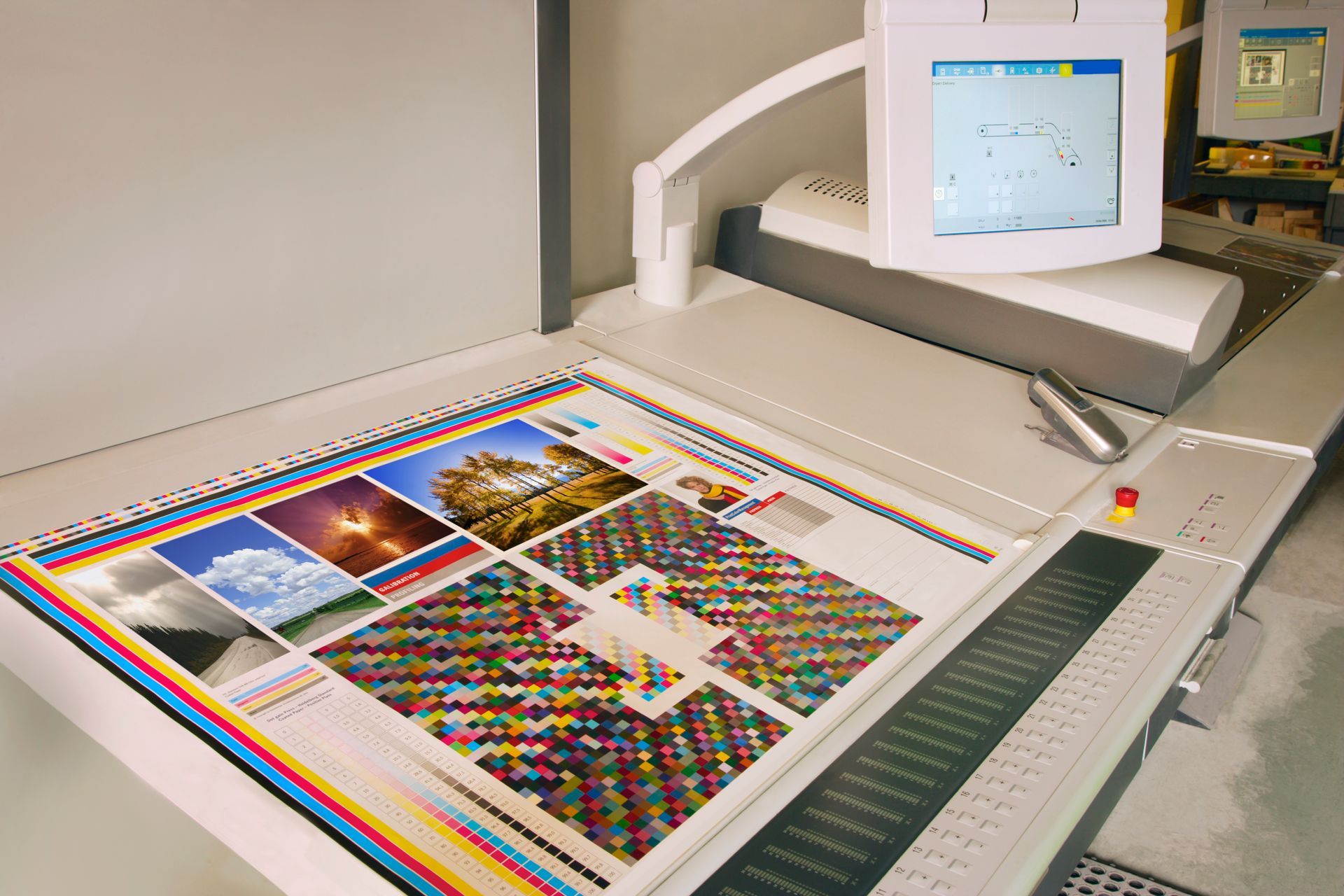
Color psychology influences consumer behavior. Vibrant reds evoke urgency and excitement. Calming blues promote stability and professionalism. Brands utilize specific color palettes to trigger desired emotional responses. Consistent color reproduction remains essential for brand integrity. Organizations rely on precise color matching to maintain uniformity across all channels. Vibrant hues command attention in crowded mailboxes or busy event spaces. Masterful color application maximizes the visual impact of physical assets.
Calls to action require prominent placement and compelling language. Directives must stand out from surrounding content. Designers utilize contrasting colors and bold typography to highlight these prompts. Clear instructions eliminate ambiguity and guide consumer behavior. Physical materials incorporate trackable elements like custom promo codes. These elements bridge the gap between physical collateral and digital conversions. Strong calls to action generate measurable results for marketing departments. Effective design strategies ensure collateral drives actual business growth.
Distributing Assets for Broader Reach
Distribution strategies determine the ultimate success of tangible marketing efforts. Direct mail campaigns target specific geographic areas or demographic profiles. Targeted distribution minimizes wasted resources and maximizes engagement. Organizations utilize data analytics to refine mailing lists. Accurate data ensures materials reach receptive households and businesses. Broad distributions suit mass-market products and grand openings. Strategic targeting benefits niche products and specialized services. Commercial printing supports these diverse distribution methods with scalable production runs.
Event marketing relies on physical collateral for audience engagement. Trade shows demand substantial quantities of brochures and business cards. Banners and signage attract attendees to vendor booths. Tangible items provide trade show visitors with reference materials after the event concludes. High-quality giveaways leave lasting impressions on potential clients. Organizations maximize event ROI by distributing memorable physical assets. Physical media extends the lifespan of event-based marketing interactions. Event distribution guarantees exposure to engaged and relevant audiences.
Retail environments benefit from strategic point-of-purchase materials. Shelf talkers and endcap displays capture consumer attention at critical decision moments. In-store signage directs foot traffic and highlights promotional offers. Physical materials in retail spaces drive impulse purchases and increase average order values. Brands collaborate with retailers to optimize collateral placement. Effective in-store distribution enhances brand visibility in competitive shopping environments. Tangible retail assets translate into increased sales revenue. Physical marketing remains vital for brick-and-mortar retail success.
Cross-promotional distribution expands brand reach through strategic partnerships. Companies place materials in allied business locations to access new customer bases. Local fitness centers might distribute collateral for neighboring health food stores. These symbiotic relationships reduce distribution costs and increase exposure. Shared distribution channels benefit all participating organizations. Marketers identify non-competing businesses with overlapping target demographics. Collaborative distribution maximizes the impact of limited marketing budgets. Strategic partnerships unlock new avenues for physical asset deployment.
Tracking Metrics for Better Returns
Measurement remains crucial for optimizing marketing budgets. Physical collateral requires specific mechanisms to track consumer engagement. Custom promo codes offer a straightforward method for monitoring direct mail success. When consumers use unique codes, marketers attribute the sale to the physical campaign. Dedicated landing pages serve a similar purpose for tangible assets. Tracking these digital conversions provides concrete data on physical campaign performance. Organizations use this data to refine future marketing strategies.
Call tracking links physical materials to inbound telephone inquiries. Unique telephone lines assigned to specific brochures or mailers isolate campaign results. Businesses monitor call volume and duration to gauge consumer interest. This metric helps organizations evaluate the effectiveness of different messaging strategies. Call data identifies which geographic regions respond best to physical collateral. Marketers adjust budget allocations based on these regional performance indicators. Detailed tracking ensures marketing dollars focus on high-performing channels.
Split testing enhances the effectiveness of physical marketing campaigns. Marketers produce distinct versions of a mailer to test variable elements. Different headlines, images, or offers go to separate audience segments. Response data reveals which variations resonate with consumers. Continuous testing creates a cycle of constant improvement. Organizations apply winning elements to subsequent production runs. This methodical approach minimizes risk and maximizes campaign ROI. Testing validates design choices and distribution strategies.
Return on investment calculations justify marketing expenditures to corporate leadership. Marketers compare production and distribution costs against generated revenue. High-quality physical collateral yields a superior ROI compared to fleeting digital ads. Tangible items possess a longer shelf life in consumer homes. This extended lifespan leads to delayed but significant conversions. Comprehensive tracking captures immediate and long-term results. Organizations recognize the enduring value of physical marketing assets. Accurate metrics secure continued funding for tactile marketing initiatives.
Strategic budget allocation requires a balanced approach to marketing channels. Physical assets offer unique advantages that digital mediums cannot replicate. Tactile engagement fosters lasting brand recall and deepens consumer connections. High-quality materials reflect organizational professionalism and commitment to excellence. By selecting appropriate materials and optimizing designs, companies maximize the impact of their tangible assets. Targeted distribution ensures these items reach receptive audiences. Rigorous tracking methods validate the effectiveness of physical campaigns and guide future investments. Commercial printing remains an indispensable tool for comprehensive marketing strategies. Let Perma Graphic Printers help you elevate your brand with high-quality printing solutions. Reach out to us today.